
What Makes CORPEX Different in Machine Vision?
Real-time inspection is only part of the story. We design machine vision around the production line, the people using it and the systems manufacturers already have in place.
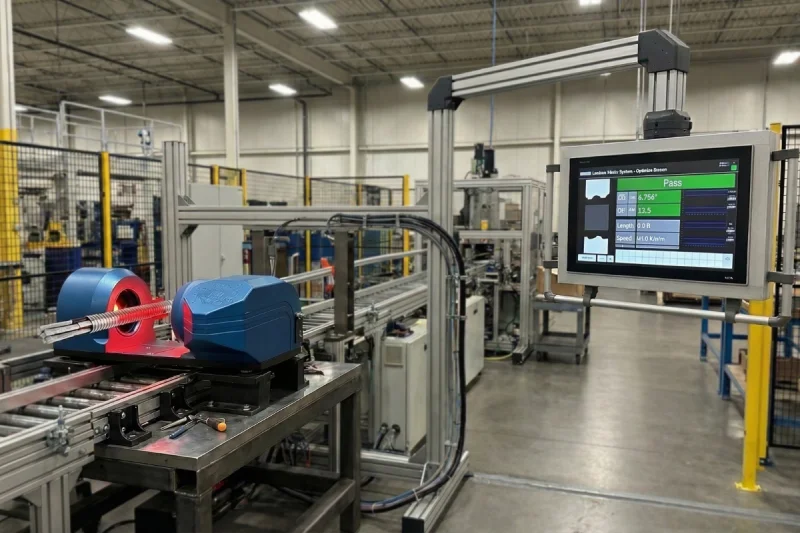
What makes CORPEX different is fairly simple: we want manufacturers to see what is happening while production is happening, not discover the problem after the product has already been made.
Traditional inspection often relies on samples or checks performed after production. That can identify a defect, but it may come after a significant amount of material has already been produced.
CORPEX machine vision systems are designed to continuously inspect, measure and monitor products on the production line so operators have useful information when they can still do something about it.
The goal isn't simply to find a defect. It's to find it early enough to change what happens next.
Built around real production
Machine vision has to work on the plant floor, not just in a demonstration. That means dealing with production speed, continuous operation, existing equipment and the way operators actually work.
Real-Time Inspection
Products can be measured and inspected continuously while the line is running, giving operators immediate production visibility.
Early Detection
Changes can be identified while there is still an opportunity to investigate the process rather than after an entire run.
Flexible Design
Vision equipment, monitors and controls can be positioned around the production environment based on practical operating needs.
Production Integration
Machine vision data can connect with PLC, SCADA, MES and OPC environments rather than remaining isolated from the production system.
More than a camera
The camera matters, but the real value comes from what the manufacturer can do with the information it produces.
Depending on the application, CORPEX systems can provide live measurements, quality alerts, production trends and stored data. That gives operators and engineers another way to understand what is happening on the line and investigate changes over time.
From wire and cable to industrial applications
Much of our experience comes from demanding wire and cable manufacturing environments, where continuous measurement and early detection can be particularly valuable. That experience also informs the way we approach other industrial inspection applications.
We start with the production problem: what needs to be inspected, measured or monitored, how fast it is moving, and what the manufacturer needs to know. Then we determine how machine vision can help.
What are you trying to inspect?
Show us the product or process. Send us a photo or short video and tell us what you need to inspect, measure or monitor.
Discuss Your Application →